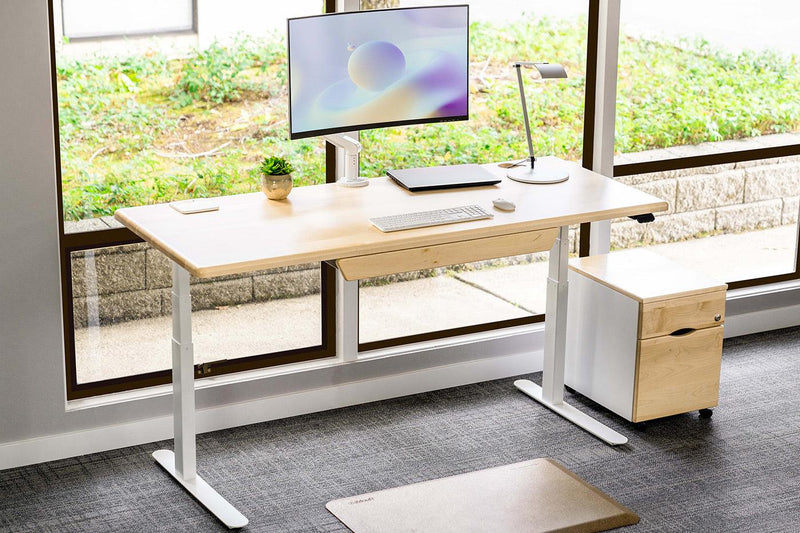
A good workspace makes you feel like your brain finally has a private room instead of fighting for survival in a cluttered corner. That is why home office design matters more than most people realize.
Whether you are fully working from home or splitting hybrid days, the way you design your workspace affects your energy, focus, creativity, and honestly, how often you procrastinate.
This guide breaks down how to design a home office that feels intentional, comfortable, and functional.
From ergonomics to lighting, from small home office design ideas to full room overhauls, everything here helps you upgrade your home office interior design without losing your mind.
It works whether you have a full room, a tiny nook, or a chaotic corner pretending to be an office.
#1 - Choose Your Spot
Identify and Dedicate a Space
The first step in smart home office design is choosing your workspace. Not everyone has an extra room, so you work with what you have. You can create great home office designs even in tiny places if your setup is intentional.
Small cues that help:
-
Pick a space with a natural boundary
-
Avoid high traffic zones
-
Choose an area with decent lighting
-
Consider noise levels and foot traffic
If you ever wondered how to design a home office without a dedicated room, the trick is to find a stable spot and give it purpose. Even a corner with good Natural Light and a workable View can become a fully functional workspace.
Maintain Work Life Balance with Space Demarcation
If you blur your mental lines, burnout hits fast. Clean separation is a huge part of home office design. Even when you do it yourself, a small cue can signal that you are stepping into work mode.
Ideas that help:
-
A rug that defines your office footprint
-
A lamp that only switches on for work
-
A folding divider for mental separation
-
A painted accent behind your desk
Whether you are exploring how to design home office setups or just refreshing your layout, boundaries will save your sanity while working from home.
#2 - Focus on Ergonomics
Prioritize Ergonomic Essentials
You cannot talk about home office design without mentioning posture. Ergonomics affects comfort, mood, and long term health. A good setup means longer focus with less pain.
Key ergonomic cues:
-
Wrist level aligned with your keyboard
-
Monitor slightly above eye level (top third at eye level)
-
Feet flat or on a footrest
-
Arms resting comfortably at a right angle
This matters whether you follow traditional setups or a do it yourself home office design.
Picking the Right Chair
Your chair is the uncredited hero of your home office design. If the chair is bad, everything is bad. Simple logic. Choose furniture that supports your spine, keeps you upright, and does not make you regret existence.
Look for:
-
Adjustable seat height
-
Lumbar support
-
Adjustable seat depth
Choosing an Ergonomic Desk
Your desk is the command center of your Home Office. Standing desks boost posture, energy, and mood.
If you want premium quality, iMovR has some of the best solutions, including standing desks and treadmill desks that enhance your home office interior design while supporting healthy movement.
#3 - Incorporate Elements of Nature
Using Plants for a Refreshing Environment
Nature calms the brain. Plants add color, freshness, and balance, all essential for great home office design. They also soften harsh corners and make a small home office feel more alive.
Great low maintenance options:
-
Snake plants
-
Pothos
-
ZZ plants
-
Peace lilies
Even the simplest plant can elevate your workspace aesthetics and improve air quality.
Maximizing Natural Light
Natural Light beats artificial lighting every time. It enhances focus, boosts mood, and makes your home office design visually pleasing. If your space does not get enough daylight, use soft bulbs, warm lamps, or layered lighting to brighten the room.
#4 - Explore Decor Styles
Zen Inspired Calmness
Zen style removes visual noise. Soft color, greenery, simple textures, and minimal furniture create a peaceful home office design. Perfect for people who need calm to think clearly.
Vibrant Retro Designs
Retro inspired home office designs add playfulness. Warm woods, bold tones, curved furniture, and vintage pieces inject energy. If you love environments that spark creativity, this style transforms your workspace instantly.
Modern Minimalism
Minimalism brings clarity. Clean lines, simple objects, neutral colors, and smooth materials make your home office design breathable. It also works well for compact rooms and small home office setups.
#5 - Use Color Psychology
Selecting Colors That Boost Productivity
Color influences emotion more than we admit. Studies show that paint choices impact mood, focus, and creativity, making color psychology a core part of home office design.
Productivity friendly shades:
-
Soft greens for calm
-
Blues for deep focus
-
Yellows for creativity
Adding Accents with Wall Paint and Accessories
Accents help personalize your home office design without cluttering the space. A single painted wall, a few artworks, or bold accessories can transform your entire workspace.
#6 - Maximize Storage
Vertical and Hidden Storage
Clutter destroys focus. Smart home office design relies on shelves, tall units, or wall hooks to maximize space. Hidden storage like drawer desks or ottomans keeps essentials out of sight.
Multi Functional Furniture
Small home office design ideas often depend on versatile furniture. Fold out desks, multifunctional tables, and storage ottomans work beautifully in tiny setups. They make home office interior design flexible, stylish, and organized.
Tools to Reduce Clutter
Clear surfaces create mental clarity. Less visual noise means better work.
Helpful tools:
-
Drawer organizers
-
Baskets
-
Under desk trays
-
Shelving units for vertical storage
#7 - Add Homey Touches
Infuse Personal Mementos
Your space should encourage you. Personal items like travel souvenirs, photos, or books add meaning to your home office design. They keep you grounded when your to do list tries to bully you.
Create Welcoming Ambience
Soft lighting, textured décor, and cozy textiles make your home office design warm instead of clinical. Use small décor pieces to make the environment enjoyable while working from home.
#8 - Manage Technology
Creative Cable Solutions
You can have the best home office design, but if cables explode everywhere, the vibe dies instantly. Use trays, clips, sleeves, or adhesive hooks for clean cable management.
Integrate Technology Seamlessly
Good placement of monitors, chargers, microphones, and lamps ensures your home office design stays functional. Think symmetry, reachability, and flow.
#9 - Transform Small Spaces
Strategic Planning
Even tiny corners can transform into high functioning home office designs with smart planning. Layout, lighting, and storage matter most. A small home office can still feel big if you arrange it well.
Tips:
-
Float your desk under a window
-
Use wall mounted lamps to save space
-
Stick to a consistent color palette
-
Choose furniture sizes that fit your room
Use Innovative Design Tools
Online planners, AR furniture previews, and mood board tools help you visualize your home office design before making purchases. Perfect if you prefer a do it yourself home office design approach.
Conclusion
Great workdays start with great home office design. When your workspace feels comfortable, styled, and intentional, everything from focus to creativity improves. Even small upgrades can dramatically change how you feel while working from home.
If you want to level up your setup further, explore iMovR’s premium home office desks and treadmill desks for the ultimate productivity boost.