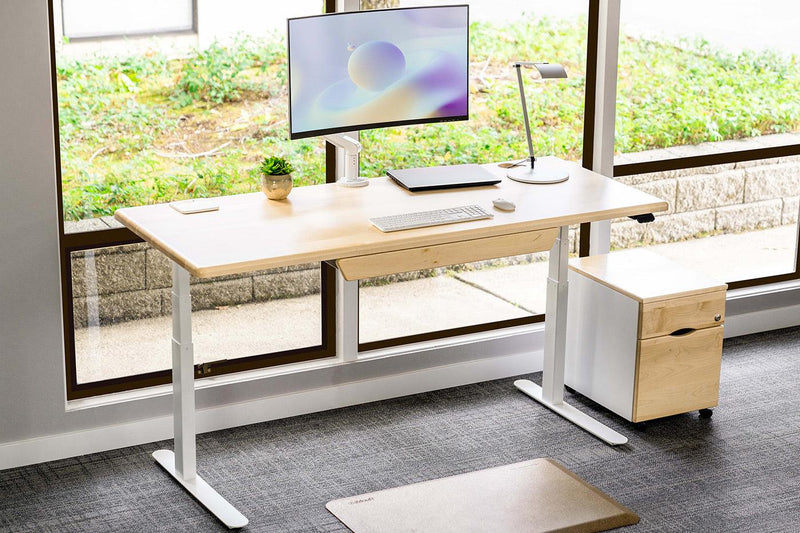
A clean desk is not just about style. It is about creating a workspace where you can think clearly, reduce clutter, protect your cables, and keep your devices running smoothly. When cables are tangled or scattered, your workspace feels messy.
When everything is arranged with smart home office cable management, the entire desk becomes easier to use and easier to maintain.
This guide gives you practical ways to upgrade home office cable management using simple tools, smart planning, and accessories that anyone can set up. You will learn how to sort cables, plan routes, choose organizers, use trays, manage a standing desk, and keep everything safe.
Understanding the Importance of Cable Management
Home office cable management makes your workspace look clean and helps your devices last longer. Dust builds up faster around messy wires. Cables bend more. Power strips overload your floor. Even your monitor and laptop setups feel unstable.
Good desk cable management removes visual clutter and makes your workspace calm. You move more freely. You find wires faster. You avoid unplugging the wrong device. And your home office feels more professional.
Home office cable management also reduces tripping hazards. Loose cables around a desk or standing desk can easily catch your foot or get pulled. Organizing everything keeps your workspace safer.
Basic Cable Management Strategies
Before buying anything extra, start with a few simple practices that make home office cable management easier.
-
Keep only the cables you actually need
-
Shorten long cables with Velcro straps
-
Route cables behind the desk instead of across the surface
-
Keep chargers close to their devices
-
Use a power strip under the desk instead of on the floor
Most of the clutter disappears once the basics are in place.
Sorting and Categorizing Cables
Sorting is the first real step toward effective home office cable management. You cannot organize what you cannot identify. Group your cables by category so you understand what goes where.
Common groups include:
-
Power cables
-
USB cables
-
Monitor cables
-
Laptop chargers
-
Ethernet cables
-
Audio wires
-
Accessory cables for lamps and speakers
Once sorted, use wraps or ties to keep each type in its own bundle. This prevents tangling and makes it easier to create cable routes later.
Visualizing Cable Routes
Home office cable management works best when you plan routes before attaching anything. Look at your desk and ask where each cable should travel. The goal is to make cables invisible without blocking devices or stretching wires.
You can route cables along:
-
The back edge of the desk
-
The underside of the desktop
-
The legs of the desk
-
Behind a monitor arm
-
Along a cable sleeve
-
Through a grommet
When you visualize cable routes first, you avoid messy improvisation later.
Labeling Wires for Easy Identification
Labeling is one of the most underrated parts of home office cable management. It saves time and frustration. No more unplugging the wrong device or guessing which cable belongs to your laptop.
Use simple labels such as:
-
Colored tags
-
Sticker labels
-
Handwritten tape
-
Printed labels
-
Reusable clip labels
This is especially important for power strips under the desk. When everything is labeled, reorganizing your workspace becomes easy.
Utilizing Specialized Cable Management Solutions
Once you have the basics sorted, it is time to upgrade with tools that support advanced home office cable management. These accessories help hide wires, secure power strips, and maintain cleaner routes.
-
Cable clips
-
Cable grommets
-
Under desk trays
-
Cable sleeves
-
Raceway kits
-
Wood cable boxes
-
Velcro strips
-
Zip ties
-
Cable organizers
Each tool has a different purpose, and together they create a system that keeps cables out of sight.
Under Desk Cable Trays with Clamp Mounts
A cable management tray is one of the most effective additions for home office cable management. A clamp mounted tray attaches under the desktop and holds power strips, adapters, and long cables.
Benefits include:
-
No drilling
-
Better cable airflow
-
Cleaner look from every angle
-
Reduced floor clutter
It is also a good idea to add accessories that pair with trays.
Adhesive Cable Clips and Velcro Strips
Adhesive cable clips keep individual cables locked in place so they do not slide or drop behind the desk. Velcro strips bundle multiple cables together without damaging them.
Use adhesive clips near:
-
Desk edges
-
Monitor arms
-
Laptop stands
-
Keyboard trays
Use Velcro strips for:
-
Power cable bundles
-
Monitor cable sets
-
Laptop chargers
-
Accessory groups
These tools solve most small cable management problems.
Cable Grommets and Their Uses
A cable grommet helps your wires pass through the desk surface into the underside. They guide cables neatly and prevent bending or twisting.
Desk cable management becomes easier when cables travel through controlled openings instead of falling at random angles.
If your desk does not include grommets, adhesive versions work well.
Tools for Effective Cable Management
For strong home office cable management, keep the following tools at hand:
-
Cable sleeves
-
Cable ties
-
Cord organizers
-
Desk clamps
-
Cable trays and more.
These tools create a clean, consistent structure for all your cables.
Cable Sleeves and Their Benefits
Cable sleeves wrap several cables into one smooth bundle. Instead of seeing five separate wires dropping behind your monitor, you see one clean sleeve.
Popular sleeve materials include: Neoprene and Plastic split tubing. Each protects cables and keeps your workspace looking tidy.
Sleeves work especially well for standing desks, monitor setups, and under desk cable management where cables hang vertically.
Raceway Kits: A Neat Concealing Solution
A raceway kit hides cables inside a slim channel mounted along a wall or desk leg. It works perfectly for home office cable management when you want every cable fully hidden.
Raceways help you:
-
Prevent tangling
-
Create straight cable routes
-
Match cables to wall color
-
Keep cables protected from pets
They are ideal for desks placed against walls.
Natural Wood Boxes for Aesthetic Appeal
A cable management box, like many other storage options, hides power strips and bulky adapters inside a clean container. Natural wood boxes add warmth and blend with modern home office furniture.
Use them on:
-
Floor corners
-
Under desk shelves
-
Side tables
-
Storage compartments
Tips for Specific Desk Setups
Home office cable management is different for every desk type. Here are tailored suggestions for some common setups.
Cable Management for Gaming Desks
Gaming setups use more devices and need better airflow. That means more planning.
Use:
-
Sleeves for multi monitor setups
-
Raceways for LED strips
-
Clips near the desk edge for keyboard and mouse
-
A tray for the main power strip
-
Velcro for controller chargers
Gaming cables can get heavy, so distribute weight across trays and clips.
Organizing Cables on L Shaped Desks
L shaped desks have extra surface area, so they need extra planning.
Try this approach:
-
Put a power strip on each side
-
Use two separate cable trays
-
Route cables along the inner L shape
-
Use longer sleeves for bridging corners
-
Keep monitor arms aligned on one side
This prevents cables from crossing between the two wings of the desk.
Solutions for Standing Desks
Standing desks require flexible cable routes because the desk moves up and down. Bad cable management here can cause pulling, stretching, or unplugging.
Important tips include:
-
Use extra long cables
-
Mount the power strip under the desk
-
Use a cable management tray
-
Guide vertical cables with a sleeve
-
Keep cables off the floor at full height
iMovR specializes in standing desk setups built for cable stability.
Investing in Cable Management Kits
Cable management kits make home office cable management simple. They include several tools in one bundle so you do not have to buy items separately.
Kits usually include:
-
Velcro ties
-
Cable clips
-
Zip ties
-
Cable sleeves
-
Grommets
-
Adhesive pads
-
Labels
-
Small organizers
A good kit speeds up setup and keeps your workspace cleaner.
Desky Integrated Cable Channels
Some desks come with built in cable channels that guide wires along the frame. This makes routing cleaner and reduces visible clutter.
If your desk does not have these channels, adhesive cable tracks or under desk trays give you similar control.
Enhancing Visual Appeal and Productivity
Clean cable management enhances the look of your workspace. When cables are controlled, the desk feels organized. Visual clutter drops. Focus improves.
A clean workspace makes your home office feel more professional and more enjoyable to use, especially during long work sessions.
Minimizing Clutter and Tripping Hazards
Tripping hazards are common around desks with loose cables. Home office cable management removes these risks by keeping wires off the ground and against the desk structure.
This protects cables, protects you, and helps keep your workspace safe.
Final Thoughts
Home office cable management transforms your desk into a clean, functional, efficient space. With the right tools, sleeves, trays, clips, and boxes, you can remove clutter and create a workspace that feels calm and easy to use.
For desks and accessories that support cable management, contact us or visit the website!
FAQs
How Do You Hide Cords at a Standing Desk?
You can hide cords at a standing desk by using longer cables, mounting a power strip under the desktop, placing cables inside a sleeve, and guiding vertical cables through a cable tray. This prevents stretching when the desk rises and keeps cables off the floor.
Why Organise The Wires Behind Your Desk?
Organising wires behind your desk reduces clutter, prevents tangling, protects cables from damage, and improves airflow around devices. It also makes your workspace cleaner and more professional while reducing tripping hazards.
Where Did You See a Lower Price?
If you saw a lower price on any cable management product or accessory, check the retailer’s policy. Most brands offer price matching for items sold by authorized sellers. Always confirm the listing source and make sure the product model matches.
Is Duct Tape Good for Cable Management?
Duct tape is not recommended for cable management. It leaves residue, damages cable jackets, and does not hold long term. Velcro ties, adhesive clips, and cable sleeves are safer and more durable alternatives.
How to Stand Properly at Your Desk?
To stand properly at your desk, keep your monitor at eye level, keep elbows at a 90 degree angle, keep feet hip width apart, and shift your weight occasionally. Standing with good posture helps reduce strain and improves comfort during long work sessions.