What if the biggest challenge to your productivity is not your workload, but your ability to stay focused?
Many people think working longer hours or juggling multiple tasks is the solution. However, research shows a different story.
According to the American Psychological Association, multitasking can reduce productivity by up to 40%. That is a significant loss, even for the most organized professionals.
That is why learning how to improve focus at work is essential. It allows you to complete tasks efficiently, reduce stress, and maintain higher-quality results without burning out.
Improving focus is not about working harder; it is about managing your attention, energy, and environment.
This guide breaks down the real reasons behind poor focus and gives you practical ways to fix it.
Why You Struggle to Focus at Work
Understanding how to improve focus at work starts with knowing what is working against you. And the truth is, most people are not struggling because they lack discipline.
They are struggling because their environment and habits are stacked against them.
Modern work environments are full of distractions. Notifications, emails, background noise, and constant interruptions break your attention.
Even small distractions can reset your brain’s focus cycle, making it harder to get back into deep work.
Then comes mental fatigue. Long hours without proper breaks reduce your cognitive performance. Your brain is not designed to stay in high concentration mode for endless hours.
And multitasking? It feels productive, but actually splits your attention. Instead of improving productivity, it slows you down and increases mistakes.
So, if you want to improve focus at work, you must first identify these barriers. Awareness is the first step. Action comes next.
The Science Behind Focus and Productivity
Understanding how to improve focus at work starts with knowing how your brain handles attention. Focus depends on mental energy, which drops as the day goes on, making even simple tasks harder after long hours.
Your brain prefers one task at a time. Multitasking forces it to switch between tasks, using extra energy and time. This reduces productivity and makes it harder to concentrate on important work.
Attention residue also affects focus. When you move quickly from one task to another, part of your attention stays stuck on the previous task, leaving new tasks only partially engaged.
Learning how to improve focus at work is about working with your brain, not against it.
Short, focused sessions followed by breaks like the Pomodoro Technique help your mind reset and maintain productivity throughout the day.
15 Effective Ways to Improve Focus at Work
If you are trying to understand how to improve focus at work, the answer usually lies in small, practical changes.
You do not need a complete overhaul. A few consistent habits can help you improve focus at work and boost productivity without adding pressure.
1. Start Your Day with Clear Priorities
Starting your day without a plan creates confusion. When you define your top tasks early, your brain knows where to direct its energy. This is one of the easiest ways to improve focus at work.
Clear priorities also reduce decision fatigue. You spend less time thinking about what to do and more time actually doing the work.
2. Use Time Blocking or the Pomodoro Technique
Time blocking gives structure to your workday, while the Pomodoro method helps you manage energy. Work in short sessions, then take breaks.
This technique is widely used by people learning how to improve focus at work because it keeps your mind fresh and reduces fatigue over time.
3. Eliminate Micro-Distractions from Your Workspace
Small distractions often go unnoticed, but they break your attention repeatedly. Notifications, clutter, and background noise all affect focus.
Removing these distractions from your workstations helps improve focus at work without requiring extra effort.
4. Focus on One Task at a Time (Avoid Multitasking)
Multitasking may feel efficient, but it reduces productivity. Your brain switches between tasks instead of handling them together.
Focusing on one task at a time is a proven way to improve focus at work and produce better results.
5. Optimize Your Workspace Ergonomics
Your physical setup affects how well you concentrate. Poor posture leads to discomfort, which distracts your mind.
Well-designed workstations reduce strain and help you stay focused on your work for longer periods.
6. Alternate Between Sitting and Standing While Working
Staying in one position for too long increases fatigue. Switching between sitting and standing keeps your body active.
This simple adjustment can improve focus at work by maintaining energy levels throughout the day.
7. Keep Your Desk Clean and Clutter-Free
A cluttered desk creates visual distractions. Even if you ignore them, your brain processes that mess in the background.
A clean workspace helps improve focus at work by creating a calm and organized environment.
8. Improve Lighting to Reduce Eye Strain
Poor lighting leads to eye strain, headaches, and reduced concentration. Over time, this affects productivity.
Better lighting supports your focus and helps you stay engaged with your work longer.
9. Control Noise Levels with Headphones or White Noise
Noise is one of the biggest distractions in modern workplaces. Conversations, traffic, or background sounds break attention quickly.
Using headphones or white noise helps improve focus at work by creating a consistent sound environment.
10. Use Apps to Block Distracting Websites
Digital distractions are everywhere. Social media and random browsing interrupt your workflow constantly.
Blocking these distractions using apps is a practical way to improve focus at work, especially during deep work sessions.
11. Take Regular, Strategic Breaks
Working continuously without breaks leads to fatigue. And fatigue reduces your ability to focus.
Taking short, strategic breaks helps your brain reset. This makes it easier to improve focus at work over long hours.
12. Stay Hydrated and Eat Brain-Boosting Foods
Your brain needs proper fuel to function. Dehydration and poor nutrition reduce concentration levels.
Staying hydrated and eating balanced meals supports better focus and overall productivity.
13. Get Quality Sleep to Maintain Cognitive Performance
Sleep plays a direct role in how well you concentrate. Without it, even simple tasks feel difficult.
If you want to improve focus at work, consistent sleep is non-negotiable. It helps your brain recover and perform better the next day.
14. Batch Similar Tasks to Maintain Momentum
Switching between different types of tasks slows you down. It forces your brain to reset each time.
Batching similar tasks reduces this switching and helps maintain a steady workflow, making it easier to improve focus at work.
15. Set Boundaries to Protect Your Focus Time
Interruptions from colleagues, calls, or messages break your attention.
Setting boundaries protects your focus time and allows you to work without constant disruptions. This is essential if you want to learn how to improve your focus at work in a realistic setting.
How Your Workspace Environment Impacts Focus
Your environment shapes how well you think, not just how you work. If your space is noisy, cluttered, or uncomfortable, your brain has to fight through constant distractions. That effort drains energy and makes it harder to stay consistent.
When people try to learn how to improve focus at work, they often ignore their surroundings. But your workspace plays a direct role in your productivity.
Poor lighting, uncomfortable seating, and constant interruptions all reduce your ability to concentrate.
On the other hand, a well-structured setup supports deep focus. Clean workstations, proper lighting, and controlled noise levels reduce mental load. You do not feel overwhelmed, and your attention stays on the task longer.
One solution many modern offices are using is a privacy pod. A well-designed privacy pod, such as those offered by iMovR, creates a quiet and distraction-free space inside a busy workplace.
These pods provide acoustic control and personal workspace boundaries, allowing employees to step away from noise and focus fully on their tasks.
For professionals looking for practical ways to apply how to improve focus at work, having access to a privacy pod can make a noticeable difference in concentration and productivity.
A Simple Daily Routine to Stay Focused All Day
Building a routine is one of the most reliable ways to understand how to improve your focus at work. When your day has structure, your brain knows when to focus and when to rest.
Morning: Plan and Prioritize Key Tasks
Your morning sets the tone for the entire day. If you start without a plan, you waste time deciding what to do next.
Take a few minutes to list your top priorities. This reduces confusion and helps improve focus at work from the beginning. With clear direction, your brain can move straight into productive work.
Midday: Maintain Energy with Movement and Breaks
Energy naturally drops in the middle of the day. That is where fatigue starts affecting your focus.
Short, strategic breaks and light movement help reset your mind. Stretching, walking, or even stepping away from your screen for a few minutes can improve focus at work and keep your productivity steady.
Afternoon: Schedule Deep Work Sessions
Afternoons are often the best time for focused work. By this point, you are fully active and ready to handle important tasks.
Block time for deep work sessions. Avoid multitasking and reduce distractions during this period. This is where real progress happens when learning how to improve focus at work.
End of Day: Review and Reset for Tomorrow
Ending your day without reflection creates stress for the next one.
Take a few minutes to review what you completed and plan your next steps. This simple habit helps improve focus at work because you start the next day with clarity instead of confusion.
Common Mistakes That Kill Focus at Work
Even with the best techniques, certain habits can quietly destroy your focus. Recognizing these mistakes is an important step in learning how to improve focus at work.
Constantly Checking Emails and Notifications
Every notification interrupts your thinking. And it takes time to regain focus after each interruption.
Checking emails too often creates a cycle of distraction. Limiting this habit can significantly improve focus at work.
Working Without Breaks
It may feel productive to keep working without stopping. But over time, fatigue builds up and reduces your ability to concentrate.
Regular breaks are necessary to maintain energy and improve focus at work across long hours.
Ignoring Physical Discomfort and Fatigue
Discomfort is a silent distraction. Poor posture, eye strain, and fatigue pull your attention away from your work.
Improving your workstations and listening to your body can help improve focus at work naturally.
Overloading Your Task List
Trying to do too much creates overwhelm. When your list is too long, your brain struggles to decide where to start.
Focusing on fewer, high-impact tasks is a better way to improve focus at work and maintain clarity.
Tools and Workspace Upgrades That Improve Focus
Sometimes, improving focus is not just about habits. The right tools can support your efforts and make it easier to stay consistent.
Ergonomic Furniture for Better Productivity
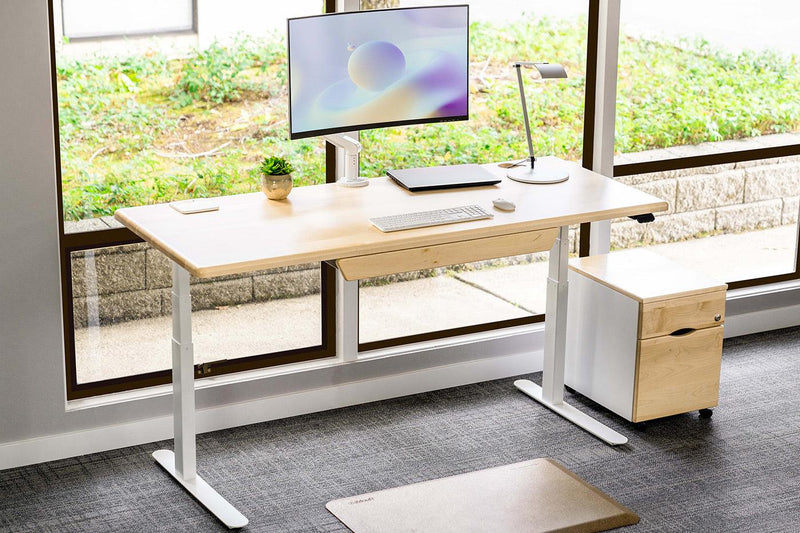
Ergonomic furniture reduces strain on your body. When you are comfortable, your brain can focus fully on your work.
This is why proper seating and desk setup are essential for long-term productivity and focus.
Standing Desks and Adjustable Workstations
Adjustable workstations allow you to move throughout the day. This reduces fatigue and keeps your energy levels stable.
Switching between sitting and standing is a simple way to improve focus at work without changing your entire routine.
Productivity and Focus Apps
Apps can help manage time, block distractions, and structure your day.
They act as support tools when you are trying to improve focus at work, especially in digital environments filled with distractions.
Noise Control and Lighting Solutions
Sound and lighting directly affect how well you concentrate. Too much noise or poor lighting creates constant interruptions.
Improving these elements helps reduce distractions and supports better focus during work sessions.
Conclusion
Improving your attention at work does not require extreme changes. When you apply the right techniques and reduce daily distractions, it becomes much easier to improve focus at work without forcing it.
If you are serious about learning how to improve focus at work, upgrading your environment is one of the smartest steps you can take.
Investing in the right solutions ensures that your work environment actively supports your goals rather than competing with them.
iMovR’s Isola office privacy pods provide a quiet, enclosed space designed for focus, comfort, and privacy.
These pods help you maintain attention, protect your workspace from interruptions, and make it easier than ever to improve focus at work.
Take control of your workday, prioritize privacy, and experience how a thoughtfully designed environment can transform how you improve your focus at work.