What if your team is not unproductive, just constantly interrupted?
That is usually the case.
Most workplaces try to improve office productivity by pushing people harder. More deadlines. More meetings. More pressure. But that rarely works. In fact, it often does the opposite.
If you want to improve office productivity in a real, lasting way, you have to change how work happens. Not just what gets done.
This guide walks you through practical, realistic ways to increase office productivity without burning people out.
Why Improving Office Productivity Feels So Hard
Let us be honest. Most people are busy all day. Emails, messages, meetings, quick questions. It never stops.
And yet, at the end of the day, the important work is still unfinished.
That is frustrating. But it is also predictable.
The modern workplace is full of small interruptions. Each one seems harmless. But together, they break focus again and again. And every time focus breaks, it takes time to rebuild.
So when companies try to improve office productivity by adding more structure or more tools, they often miss the real issue. It is not effort. It is attention.
If you want to increase office productivity, you have to protect attention first. Everything else comes after that.
Start With the Workspace (Because It Matters More Than You Think)
Comfort Is Not a Luxury. It Is a Performance Tool
Let us start simple. If someone is uncomfortable, they will not do their best work.
Think about it. Sitting in a stiff chair, staring at a poorly positioned screen, dealing with neck or back pain. That drains energy fast.
So if your goal is to improve office productivity, ergonomic setup is not optional. It is foundational.
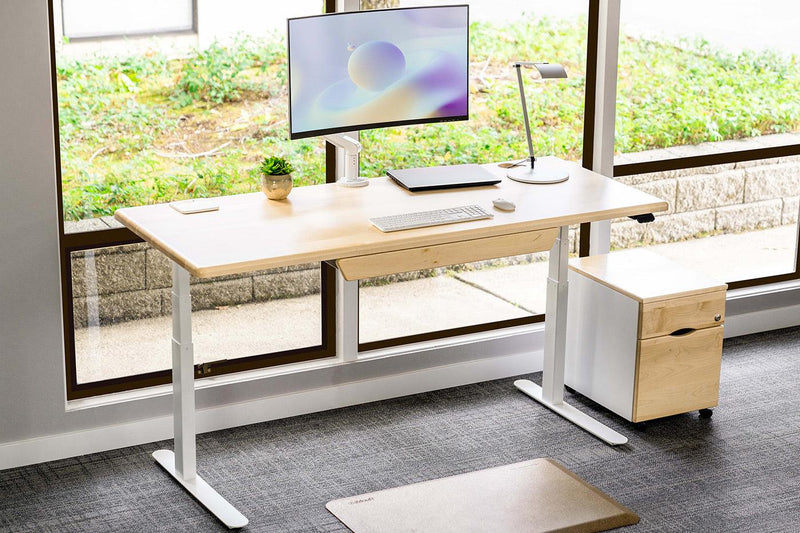
Adjustable desks, supportive chairs, and proper screen height help people stay comfortable for longer periods. And when people feel good physically, they can focus better mentally.
Standing desks are especially useful here. They allow movement throughout the day, which keeps energy from dropping.
And here is the interesting part. Small changes like this often lead to a noticeable increase in office productivity without any changes to workload.
Give People a Place to Actually Focus
Now let us talk about noise.
Open offices look great. They feel collaborative. But they can also be incredibly distracting. Conversations, calls, random interruptions. It all adds up.
If you want to improve office productivity, you need quiet spaces. Real ones. Not just “try to be quiet” zones.
This is where privacy pods and soundproof spaces come in. They give employees a place to step away and focus deeply.
Because deep work does not happen in chaos. It happens in calm, distraction-free environments.
You can explore practical solutions for building better workspaces at https://www.imovr.com/.
Noise Is Quietly Killing Your Productivity
Here is something most offices underestimate. Noise.
Even when it feels normal, background noise makes it harder to think clearly. It slows people down. It increases mistakes.
And the worst part. People get used to it. So they stop noticing the impact.
If you want to improve office productivity, you have to take acoustics seriously.
Easy Ways to Reduce Noise in the Workplace
-
Acoustic panels to absorb sound
-
Soundproof booths for calls
-
Quiet zones for focused work
-
Soft materials that reduce echo
These changes do not just make the office quieter. They make it easier to think.
And when thinking becomes easier, productivity follows. That is how you increase office productivity without pushing harder.
Lighting Can Make or Break Focus
Lighting is one of those things people ignore until it becomes a problem.
Too harsh, and it causes fatigue. Too dim, and it reduces alertness. Either way, productivity suffers.
Natural light is ideal. It helps regulate energy levels and keeps people feeling awake and focused.
But not every office has large windows. So what can you do?
Use layered lighting. Combine overhead lights with desk lamps. Avoid glare. Aim for a soft, balanced setup.
If you want to improve office productivity, lighting is a simple but powerful place to start.
Because when people feel comfortable in their environment, they work better.
Movement Is Not a Distraction. It Is a Boost
Sitting still all day sounds productive. But it is not.
After a few hours, energy drops. Focus fades. Work slows down.
That is why movement matters.
If you want to improve office productivity, create a flexible workplace where people can move. Standing desks, breakout areas, and different work zones all help.
And there is another benefit. Movement clears the mind. It helps people reset and come back sharper.
So instead of forcing people to stay still, encourage movement. It actually helps increase office productivity.
Too Many Tools Are Making Things Worse
Let us talk about technology.
Most teams have too many tools. One for messaging. One for tasks. One for meetings. Another for tracking. It becomes overwhelming.
And every time someone switches between tools, they lose a bit of focus.
If you want to improve office productivity, simplify your setup.
Use fewer tools. Choose ones that integrate well. And make sure your team actually knows how to use them.
Because tools should remove friction. Not create it.
Measure What Actually Matters
A lot of companies track the wrong things. They measure activity instead of results.
But being busy does not mean being productive.
If you want to improve office productivity, focus on outcomes.
Look at how quickly tasks are completed. Look at the quality of work. Look at how employees feel about their workload.
These insights help you understand what is really happening.
And once you understand that, you can make better decisions. That is how you increase office productivity in a meaningful way.
Culture Plays a Bigger Role Than You Think
You can have the best tools and the best office setup. But if your culture does not support focus, productivity will still struggle.
If people feel like they have to respond instantly to every message, they will never get deep work done.
So if you want to improve office productivity, you need to set clear expectations.
Encourage focused work sessions. Respect boundaries. Reduce unnecessary interruptions.
And recognize good work when you see it.
Because when people feel supported, they perform better. It is that simple.
Meetings Are Eating Your Time
Meetings are not always bad. But too many of them are. They break up the day. They interrupt focus. And often, they are not even necessary.
If you want to improve office productivity, start by cutting unnecessary meetings. Ask yourself before scheduling one. Is this really needed?
If yes, keep it short and focused. If not, handle it another way. Because every unnecessary meeting takes time away from real work.
Well-Being Is Not Optional
Here is something many companies overlook. Tired people do not do great work.
If employees are stressed or burned out, productivity drops. That is unavoidable. So if you want to improve office productivity, you have to support well-being.
Encourage breaks. Offer flexibility. Create spaces where people can recharge. Even small changes can make a big difference.
And when people feel better, they naturally increase office productivity.
Smart Office Design Makes Everything Easier
A well-designed office does more than look good. It helps people work better.
Think about it. Spaces for collaboration. Spaces for focus. Flexible layouts that adapt to different tasks.
Privacy Pods, ergonomic setups, and soundproofing all play a role here.
If you want to improve office productivity, your workspace should support how people actually work. Not how you think they should work.
You can explore practical solutions for building a better workplace at iMovR. Because when the environment works, everything else becomes easier.
Teach Better Work Habits
Even in a great office, habits matter. If employees struggle with time management or prioritization, productivity will suffer.
So if you want to improve office productivity, invest in simple training. Teach people how to structure their day. How to manage interruptions. How to stay focused.
Techniques like time blocking or structured work sessions can make a real difference. And once these habits stick, you will see a steady increase in office productivity.
Balance Collaboration and Focus
Collaboration is important. But too much of it can be distracting. Constant messages, quick questions, and interruptions break concentration.
If you want to improve office productivity, you need balance. Encourage teamwork when needed. But also protect time for deep, focused work.
Because that is where meaningful progress happens.
Conclusion
If you want to improve office productivity, stop trying to push people harder. Start making work easier.
Reduce distractions. Improve the workspace. Support your team. That is how you create a workplace where productivity happens naturally.
Ready to build an office that actually helps your team perform better? Visit iMovR and see what is possible.
Because the right environment changes everything.