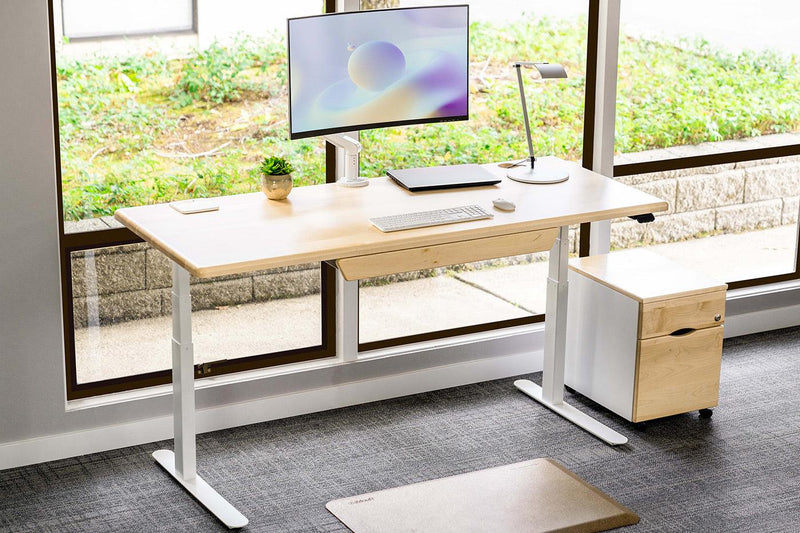
Physical clutter can reduce productivity by around 15%.
That number alone explains why so many office workers feel distracted before the day really starts. A messy surface pulls attention in too many directions.
This article walks through how to layout a minimalist office desk that actually helps you work better. Fewer distractions. Better posture. And a workspace that feels calm instead of chaotic. That is the goal.
Understand the Core Principles of a Minimalist Office Layout
A minimalist office desk does not work without clear principles behind it. When people skip this step, they remove items randomly and wonder why clutter comes back. Minimalism needs structure to stick.
At a basic level, a minimalist office layout supports focus by removing friction. Everything on the desk should help you complete work faster or more comfortably. Everything else quietly gets in the way.
Start with purpose. Ask what kind of work actually happens at your minimalist office desk each day. Writing, video calls, data analysis, or all three. Purpose guides every decision.
When the purpose stays clear, decisions get easier. Tools that support daily work stay visible. Items that do not help disappear naturally.
Focus on Function Over Decoration
Decoration often sneaks in under the excuse of personality. But too much decoration turns into visual noise fast. And that noise competes with work all day long.
A minimalist home office works best when function leads. A lamp that reduces eye strain matters more than wall art. Practical always wins. And yes, the desk looks better because of it.
Apply the “Less but Better” Philosophy
The “less but better” approach keeps the minimalist office desk simple and reliable. One high-quality keyboard beats three unused gadgets. One solid desk beats layers of accessories.
Fewer items reduce decisions. Better items reduce frustration. That combination keeps focus where it belongs.
Embrace Neutral Color Palettes for Visual Clarity
Color affects focus more than most people expect. Bright colors and sharp contrasts demand attention even when you try to ignore them. Neutral colors let the brain relax.
In a minimalist home office, neutral tones create consistency. The minimalist office desk blends into the background so work stays front and center.
Benefits of Neutral Tones in a Minimalist Office
Stick with neutrals and your eyes quit working so hard. Less color jumping means your brain has more energy left for actual work. You notice it around 2pm when you normally start crashing but do not feel as fried.
Light colors trick your eye into thinking a small room is bigger. Works great if you are stuck in a tiny home office or working from a corner of your bedroom. You get more perceived space without knocking down walls.
Choosing the Right Shades for Productivity
Cool neutrals like soft gray and white support focus and clarity. Warmer neutrals add comfort and reduce tension. Both work when used intentionally.
Match the palette to how you work. Analytical tasks benefit from cooler tones. Creative work often feels better with warmth around the minimalist office desk.
Plan Your Office Layout Strategically
A clean desk does not fix a bad layout. If you constantly reach, twist, or stand up to grab tools, clutter will return. Strategy saves effort later.
A strong layout follows movement patterns. Not photos. Not trends. Real daily motion.
Measure and Map the Space Before Designing
Start with measurements. Measure walls, windows, doors, and outlets. This step prevents buying furniture that does not fit or blocks movement.
Sketch a simple layout and place the minimalist office desk first. Everything else should support that anchor.
Create Clear Functional Zones
Zones reduce mental clutter. A work zone, storage zone, and movement zone keep tasks separated. That separation helps the brain switch modes faster.
The minimalist desk belongs only in the work zone. Storage should stay close but not within arm’s reach.
Maintain Balance and Symmetry
Imbalance creates subtle stress. Even when surfaces stay clean, uneven layouts feel chaotic. Balance restores calm.
Align lighting, storage height, and visual weight around the minimalist office desk. The space feels stable without effort.
Opt for Multifunctional and Space-Saving Furniture
Furniture defines how flexible the workspace becomes. Multifunctional pieces reduce clutter by replacing several items at once. That efficiency supports minimalism long term.
In a minimalist home office, adaptable furniture prevents constant redesigns.
Space-Saving Desks and Chairs
A minimalist office desk should fit the room comfortably. Oversized desks dominate space and limit movement. Compact desks preserve openness.
Pair the desk with a minimalist office chair that supports posture without visual bulk. Comfort matters. Appearance follows.
Furniture That Adapts to Multiple Needs
Adaptable furniture saves space and effort. An adjustable standing desk supports movement. A mobile storage unit works as storage and surface.
This flexibility keeps the minimalist desk useful as work changes.
Prioritizing Ergonomics in Minimalist Design
Minimalism should never ignore ergonomics. Poor posture creates pain. Pain kills productivity fast.
An adjustable minimalist office desk and a supportive minimalist office chair protect your body during long workdays. Then focus lasts longer.
Employ Smart Storage Solutions to Eliminate Clutter
Storage decides whether minimalism lasts. Without smart storage, items creep back onto the desk surface. That cycle repeats endlessly.
The goal is controlled access. Not hidden mess.
The Importance of Decluttering Before Adding Storage
Declutter first. Always. Adding storage before removing unused items locks clutter in place.
Once decluttered, the minimalist office desk needs far less storage than expected. That clarity simplifies decisions.
Built-In and Concealed Storage Ideas
Concealed storage preserves visual calm. Drawers, cabinets, and under-desk units hide essentials while staying accessible.
Floating shelves work when used lightly. Keep items minimal near the minimalist desk.
Organizing Storage for Long-Term Minimalism
Organization makes minimalism sustainable. Group items by task instead of category. That matches how you work.
Return items to the same place every time. Habits protect the minimalist office desk.
Practice Mindful Technology Placement
Technology supports work. It also creates clutter quickly. Screens, cables, and devices dominate space when unmanaged.
Mindful placement keeps the minimalist office desk functional and calm.
Organizing Cables and Devices
Loose cables create instant chaos. Use trays, clips, and sleeves to route wires out of sight. The improvement feels immediate.
Docking stations reduce device sprawl. One connection point keeps the minimalist desk clean.
Reducing Visual Tech Clutter
Limit visible screens to daily essentials. Extra monitors and unused devices pull attention without helping.
Choose neutral-colored devices so technology blends into the workspace.
Balancing Technology with Minimalism
Minimalism filters technology. It does not reject it. Keep tools that save time. Remove tools kept from habit.
That balance keeps the minimalist home office modern and focused.
Maintain a Consistent Decluttering Routine
Minimalism is not a one-time setup. It is a routine. Without habits, clutter returns quietly.
Consistency keeps the minimalist office desk working for you.
Daily and Weekly Physical Decluttering Habits
End each day with a quick reset. Clear the desk and return items to storage. One minute is enough.
Weekly reviews catch clutter early. Small resets beat big cleanups.
Digital Decluttering Strategies
Digital clutter affects focus too. Clean desktops, organize files, and archive unused documents regularly.
Simple folder structures help you find information faster.
Periodic Workspace Audits
Quarterly audits reset standards. Review each item and justify its presence.
If it does not support current work, remove it. That keeps the minimalist desk relevant.
Step-by-Step: How to Layout a Minimalist Office Desk
This process works for new setups and existing spaces. Follow the steps in order. Progress matters more than perfection.
-
Define daily desk tasks
-
Declutter before buying furniture
-
Measure and map the space
-
Choose adjustable, compact furniture
-
Add storage only where needed
-
Organize cables and devices
-
Build daily reset habits
Each step supports the next. That structure makes minimalism stick.
Common Mistakes to Avoid in a Minimalist Office Layout
Minimalism fails when misunderstood. Removing too much or prioritizing looks over function creates new problems.
A good minimalist office desk balances simplicity and real work needs.
Making the Space Too Sterile or Cold
Over-minimal spaces feel uncomfortable. All-white rooms with no texture drain energy over time.
Add subtle warmth through wood, fabric, or lighting. Comfort supports focus.
Ignoring Ergonomics for Aesthetics
A beautiful desk that hurts your body fails quickly. Ergonomics must guide layout decisions.
Adjust desk height, monitor position, and chair support first.
Over-Decluttering and Losing Functionality
Removing essential tools creates friction. If you leave the desk constantly, the setup is too minimal.
Function decides what stays. Always.
Conclusion
A well-designed minimalist office desk reduces distractions, supports focus, and protects long-term comfort. Clear purpose, smart furniture, and simple habits make it work.
If you are ready to upgrade your setup, explore ergonomic and adjustable options at minimalist office desk solutions from iMovR and build a workspace that actually supports your work.
FAQs
How do I keep my office minimalist long term?
Audit monthly, keep only daily-use items, adopt one-in-one-out rule, store digitally, and reset surfaces every Friday to maintain visual calm.
Is minimalist office design good for productivity?
Yes. Minimalist offices reduce distractions, improve focus, support clearer thinking, faster decisions, and lower cognitive fatigue during long work hours.
What makes an office look cluttered?
Visible cables, excess paperwork, mismatched furniture, too many decor items, crowded shelves, and unused equipment create visual clutter instantly indoors.
How do I hide storage in a minimalist office?
Use built-in cabinets, wall-mounted units, under-desk drawers, concealed shelves, and furniture with hidden compartments for storage without breaking minimalist aesthetics.
How do I manage cables in a minimalist office?
Route cables through trays, sleeves, grommets, and walls; label essentials, shorten lengths, and keep only necessary connections out of sight.