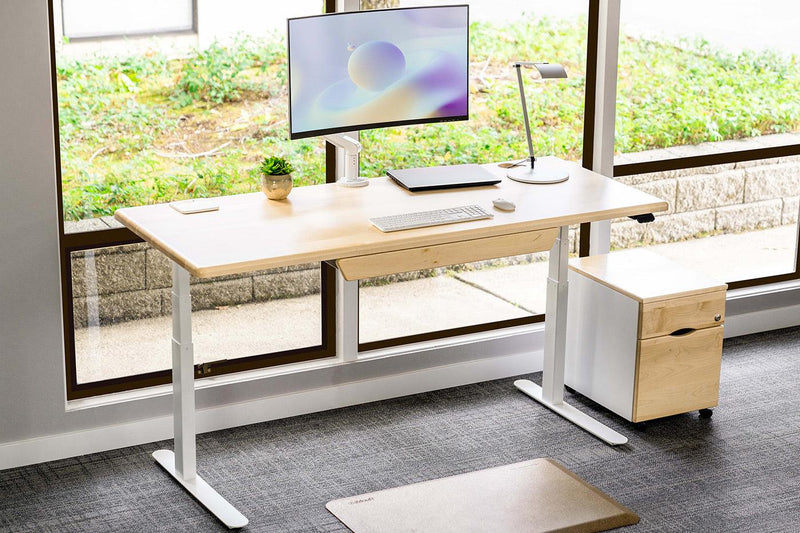
What if the desk you use every day was designed exactly for the way you work?
Studies on workplace design show that improving the work environment can increase productivity by as much as 15 to 20%, highlighting how workspace layout directly affects focus and performance.
Most office furniture is built for general use, not for your specific workflow. When you create your own desk, you gain control over the size, materials, accessories, and layout of your workspace. That control can improve productivity and comfort in ways standard desks rarely do.
This guide explains how to create your own desk, design a functional workspace, and choose the right components for your office setup.
Why Create Your Own Desk Instead of Buying a Standard Desk
Many people buy desks quickly without considering how they actually work during the day. Standard furniture often limits flexibility because the dimensions and features are pre-selected by manufacturers.
When you create your own desk, you design a workspace around your actual needs. This includes selecting the size of the desk, the tabletop materials, storage drawers, and even the frame legs that support the structure.
Customization also allows better organization. A Custom-made desk can include shelves, built-in storage, or cable management features that help maintain a clean workspace.
Another advantage is durability. When selecting materials and components yourself, you can prioritize stronger tabletops, better finishing, and higher-quality frames. That means the furniture lasts longer and performs better during everyday use.
Many professionals choose to create their own desk because it provides a practical solution to workspace limitations. The result is a comfortable office setup that supports productivity rather than restricting it.
Choose your base
The frame powers your desk — pick the one that fits your setup.


Choose your finish
Order free samples before you commit — we ship them to your door.


Choose your shape
How much space do you need to work at your best?
Your custom desk
Here is what you have configured. Click below to start building on iMovR.
How an Online Desk Builder Works
Not long ago, building a custom desk meant hiring a carpenter or learning woodworking yourself.
Today, the process looks very different.
Many manufacturers offer online tools that allow customers to create their own desk step by step. You select components, preview the final design, and place the order once everything looks right.
The system works almost like configuring a vehicle.
You begin with a base model. Then you adjust size, frame type, surface materials, accessories, and finishing options. Each change updates the preview instantly, so you can see how the desk will look.
This kind of configurator helps customers experiment with multiple designs before making a final purchase. Some people start with a compact desk and later expand the workspace once they see how much room their equipment requires.
Another advantage is compatibility. The builder shows which frames support larger tabletops, heavier equipment, or additional accessories.
So even if you have never built furniture before, the process of learning how to create your own desk becomes straightforward.
Step-by-Step Desk Builder Guide
Designing a custom desk becomes much easier when the process is divided into simple steps. Each step helps refine the design and ensures the final product fits your workspace requirements.
Step 1: Choose the Right Desk Size
Desk size is the foundation of a functional workspace. Before selecting materials or accessories, measure the area where the desk will be placed.
When you create your own desk, consider how much room is needed for monitors, keyboards, and other objects used during daily work. A desk that is too small can quickly become cluttered.
Most office setups work well with desk widths between 48 and 72 inches. Larger surfaces provide more space for equipment and improve overall workspace organization.
Step 2: Select the Desk Frame
The frame provides structural support for the desk and determines how stable the furniture will be during use.
Many people who create your own standing desk choose adjustable frames because they allow the desk height to change throughout the day. This feature helps reduce the negative effects of prolonged sitting.
Frame design also affects durability. Strong steel frames with stable legs support heavier tabletops and equipment without wobbling.
Step 3: Choose Your Desktop Material
Desktop material influences both appearance and durability. Some materials are designed for aesthetics, while others prioritize long-term resistance to wear.
When you create your own desk, common material options include:
-
Solid wood tabletops
-
Laminate surfaces
-
Engineered wood panels
Each option supports different office styles and budgets.
Step 4: Pick Frame Color and Finish
Color choices play an important role in workspace aesthetics. Desk frames are typically available in neutral finishes such as black, white, or metallic tones.
When people create their own desk, they often match the frame color with the surrounding furniture. This creates a consistent and professional office design.
Finishing also affects durability. Powder-coated frames provide strong protection against scratches and daily wear.
Step 5: Add Accessories and Ergonomic Features
Accessories transform a basic desk into a fully equipped workstation.
When users create their own desk, they often add monitor mounts, keyboard trays, and cable management solutions. These components improve organization and help maintain ergonomic posture.
Other useful accessories include drawers, shelves, and storage compartments that keep everyday items within reach.
Step 6: Preview Your Desk Configuration
Most desk builders allow users to preview the design before completing the purchase.
This preview stage helps confirm that the design, materials, and dimensions match the intended workspace layout. People learning how to create your own standing desk benefit from seeing the entire configuration before finalizing the order.
Visual previews reduce mistakes and help customers feel confident in their design choices.
Step 7: Review Pricing and Finalize Your Desk Design
The final step involves reviewing pricing and confirming all configuration choices.
Different materials, frame systems, and accessories affect the total cost. When customers create their own desk, they can adjust features to match both their needs and their budget.
After confirming the configuration, the order can be placed, and the manufacturing process begins.
Selecting the Right Desk Size
Choosing the right desk size is essential for maintaining an organized workspace. Surface space influences how comfortably you can arrange monitors, keyboards, and other equipment.
When people create their own desk, they should evaluate how much room their work actually requires. Designers, developers, and analysts often need larger surfaces for multiple monitors and equipment.
Planning dimensions carefully ensures the desk supports productivity without creating unnecessary clutter.
Standard Desk Dimensions Explained
Standard office desks usually range from 48 to 72 inches wide and about 24 to 30 inches deep. These measurements work well for most everyday office tasks.
However, when you create your own desk, customization allows you to adjust those dimensions based on your workspace needs.
Some professionals prefer deeper tabletops for design work or writing tasks. Others prefer wider surfaces for multiple monitors and equipment.
Choosing Desk Depth for Monitors and Accessories
Desk depth determines how far the monitor sits from the user. A shallow desk may push the screen too close to the eyes, which can lead to discomfort.
When people create their own desk, many experts recommend choosing a depth of at least 30 inches. This provides enough space for monitors, keyboards, and accessories.
Proper depth also allows better cable organization and improves overall workspace control.
Desk Size for Small Offices and Home Workspaces
Home offices often require compact furniture that fits a limited space.
If you plan to create your own desk for a small workspace, consider designs that include vertical storage, such as shelves or compact drawers.
These features help maximize functionality while keeping the office area organized.
Large Desks for Multi-Monitor or Professional Setups
Some professionals rely on multiple screens, specialized equipment, or design tools.
In these cases, larger desks provide the necessary space for an efficient workspace. When users create their own desks for professional setups, they often prioritize wide tabletops and stronger frame models.
This approach allows better equipment organization and improves workflow efficiency.
Selecting the Best Frame for Your Desk
The desk frame is responsible for stability and performance. A strong frame ensures the desk remains steady even when supporting heavy equipment.
When customers create their own desk, selecting a high-quality frame improves durability and reliability.
Standing desk frames have become increasingly popular because they allow adjustable height positions.
Fixed Desk Frames vs Standing Desk Frames
Fixed frames maintain a single height. They are simple and affordable options for traditional office setups.
Standing desk frames allow height adjustments throughout the day. Many users create their own standing desk because adjustable furniture supports healthier work habits.
Changing posture periodically can help reduce fatigue and improve comfort during long work sessions.
Single-Motor vs Dual-Motor Standing Desk Frames
Standing desk frames often include motorized lifting systems.
Single motor models are generally quieter and more affordable. Dual motor systems provide a stronger lifting capacity and smoother movement.
People learning how to create their own standing desk often choose dual motor frames for better long-term performance.
Frame Stability and Weight Capacity
Frame stability is especially important for desks that support heavy monitors or equipment.
Users who create their own desk should review the weight capacity of the frame to ensure it supports their entire office setup.
Strong frames reduce vibration and provide a more comfortable working experience.
Height Range and Adjustability
Adjustable desks must accommodate different user heights.
Standing desks typically offer a height range between approximately 24 and 50 inches. When users create their own standing desk, verifying this range ensures the desk can support both sitting and standing positions comfortably.
Proper height adjustment improves posture and workspace ergonomics.
Choosing the Best Desktop Material
Desktop materials influence both aesthetics and durability. Some materials emphasize natural design while others prioritize resistance to wear.
When you create your own desk, selecting the right surface helps ensure the workspace remains functional and visually appealing for many years.
Solid Wood Desktops
Solid wood tabletops offer a classic and durable option for office furniture. Natural grain patterns create unique visual designs that give each desk a distinct character.
Many users prefer wood surfaces when building their own desks because these materials combine long-term strength with premium aesthetics.
High-Durability Laminate Desktops
Laminate desktops are widely used because they are affordable and resistant to scratches.
They are available in many designs that mimic natural materials. When you create your own desk, laminate often provides a practical balance between price, durability, and visual style.
Surface Durability and Maintenance
Maintenance requirements vary depending on the chosen material.
Laminate surfaces require minimal care, while natural wood may need occasional finishing to maintain its appearance. Before you create your own desk, it helps to consider how much maintenance you are comfortable handling over time.
Choosing the right material simplifies long-term upkeep.
Style and Finish Options
Desktop finishes influence the overall visual style of the workspace.
Matte finishes reduce glare from lighting while polished finishes create a more refined appearance. When you create your own desk, selecting a finish that matches existing office furniture helps create a cohesive design.
A consistent design also makes the workspace feel more comfortable and organized.
Custom Desk Accessories to Improve Your Workspace
Accessories improve functionality and organization within a workspace.
When you create your own desk, adding practical accessories helps manage equipment, improve comfort, and keep the workspace free from clutter.
Monitor Arms and Multi-Monitor Mounts
Monitor arms allow screens to be positioned at the correct height and angle for better visibility.
They also free valuable surface space on the desk. When users create your own desk, monitor mounts are often included to support multi-screen setups and improve workspace efficiency.
Ergonomic Keyboard Trays
Keyboard trays help maintain proper typing posture during long work sessions.
When you create your own desk, adding an ergonomic tray can improve wrist positioning and reduce strain while typing.
Cable Management Solutions
Cable organization is essential for maintaining a clean and professional workspace.
Cable trays and routing channels help keep wires hidden and organized. When you create your own desk, including cable management features prevents clutter and improves the overall appearance of the setup.
Storage Drawers and Desk Organization
Drawers and shelves provide convenient storage for office items and daily work tools.
When you create your own desk, adding modular drawers beneath the tabletop helps keep important items accessible while maintaining an organized workspace.
Designing an Ergonomic Desk Setup
Ergonomic design helps reduce physical strain during long work hours.
When you create your own desk, you can configure monitor height, keyboard placement, and overall layout to support healthy posture and improve comfort throughout the day.
A well-designed workspace helps maintain focus and reduces fatigue during extended work sessions.
Ideal Desk Height for Sitting and Standing
Desk height should allow the user to maintain a comfortable elbow angle while typing.
Standing desks make it easier to maintain proper posture in both sitting and standing positions. When you create your own standing desk, adjustable height becomes one of the most important ergonomic features.
Proper Monitor Placement
Monitors should be positioned roughly at eye level and about an arm’s length away from the user.
When you create your own desk, leaving enough space for correct screen placement helps reduce neck strain and improve viewing comfort.
Keyboard and Mouse Positioning
Keyboards and mice should remain close to the body to prevent shoulder strain.
When you create your own desk, designing the layout with ergonomic trays or adjustable surfaces helps maintain comfortable positioning for daily tasks.
Creating a Comfortable and Healthy Workspace
Lighting, seating, and furniture placement all influence workspace comfort.
When you create your own desk, you gain greater control over the entire workspace environment. This control helps create a healthier and more productive office setup.
Ordering Your Custom Desk
After finishing the design process, the final step is placing your order and preparing for delivery. When you create your own desk, reviewing the details before checkout ensures the final product matches your workspace needs.
Reviewing Your Desk Configuration
Before confirming the order, review the entire desk configuration. Check the tabletop size, material, frame type, color, and any added accessories.
When you create your own desk, this step helps ensure that the design fits your office layout and daily workflow.
Understanding Pricing and Custom Options
The price of a custom desk depends on the materials, frame systems, and accessories selected.
When you create your own desk, premium tabletops or advanced standing desk frames may increase the cost. Many desk builders show real-time pricing so you can adjust options and stay within your budget.
Shipping and Delivery Information
After ordering, the desk is typically shipped in separate components to make transportation easier.
When you create your own desk, the tabletop, frame, and accessories may arrive in different packages. Most manufacturers provide tracking information so you can monitor the delivery.
Assembly and Setup Process
Assembly is usually simple and includes step-by-step instructions.
When you create your own desk, the setup normally involves attaching the frame to the tabletop, installing accessories, and adjusting the desk to the preferred height. Once assembled, the workspace is ready for use.
Why Choose iMovR for Your Custom Desk
Selecting the right manufacturer is an important part of designing a custom workspace. When you create your own desk, the quality of the frame, tabletop materials, and accessories can greatly affect long-term durability and comfort.
iMovR focuses on ergonomic office furniture designed for modern work environments. Their desk builder allows users to create their own desk by choosing from different tabletop materials, frame models, and workspace accessories.
One of the main advantages of iMovR desks is their strong engineering and reliable performance. Many of their standing desk models are designed to provide stability, smooth height adjustment, and long-lasting components.
When you create your own desk with a trusted manufacturer, you gain better product reliability, professional support, and a workspace designed for everyday productivity.
Conclusion
A workspace should support the way you work, not limit it. Standard desks often force users to adjust their habits around fixed sizes, limited storage, and basic designs.
When you create your own desk, you gain control over every detail, from tabletop materials and frame models to accessories that improve organization and comfort.
Designing a personalized desk also allows you to build a workspace that supports productivity, ergonomics, and long-term durability.
The right setup can make daily tasks easier, help maintain better posture, and create an office environment that feels organized and efficient.
If you are ready to create your own desk that truly fits your workspace needs, explore the customization options available at iMovR. Their desk builder makes it simple to choose the perfect configuration and build a desk designed specifically for your workflow.
FAQs
How long does it take to build a custom desk?
Most assemblies take 30 to 90 minutes, depending on the tabletop, frame type, and included accessories for your workspace setup.
Are custom desks more expensive than standard desks?
Costs vary depending on materials, frame models, and finishes. Choosing premium components may increase the price of your custom desk.
Can I upgrade or modify my desk later?
Yes, many modular desk models allow adding shelves, drawers, or ergonomic accessories after purchase to improve workspace organization.
What accessories should I add to my desk?
When you create your own desk, include monitor arms, keyboard trays, cable management, and storage drawers for maximum functionality.