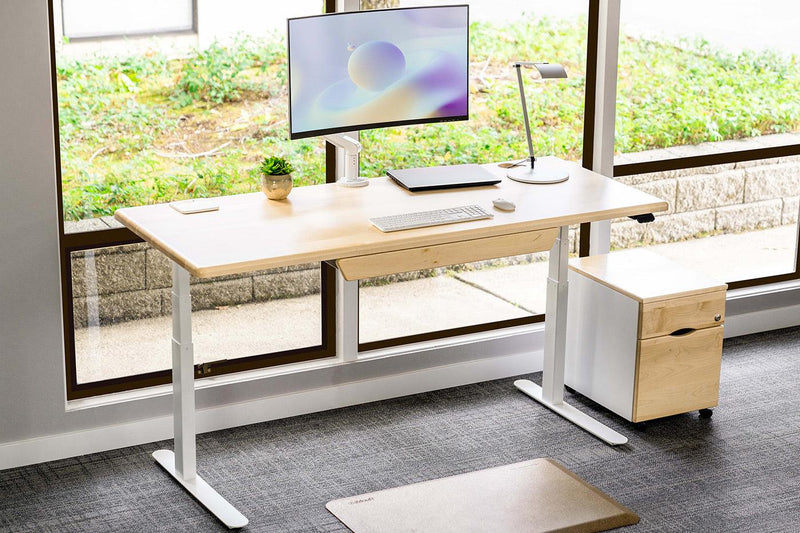
Have you ever noticed how your performance drops faster when your body feels uncomfortable than when your hardware struggles?
That is not a coincidence. Your gaming desk setup directly shapes your focus, endurance, and reaction time.
According to the Entertainment Software Association, about 61% of Americans play video games for at least one hour each week. That means your gaming desk setup is not just a place you visit occasionally. It is an environment your body experiences for hundreds of hours every year.
A well-planned setup helps you stay comfortable, reduce fatigue, and maintain consistent performance during long sessions. And now more people use the same desk for both work and gaming. That shift makes ergonomics and layout more important than ever.
So, building the right foundation matters. And it starts with the desk.
Introduction to the Perfect Gaming Desk Setup
Your desk is not just furniture. It is the physical foundation of your entire gaming experience. Every movement, every reaction, and every hour spent playing depends on how well your gaming desk setup supports your body.
And ergonomics in desk setups for hardcore gamers plays a massive role here. When your desk height, monitor position, and chair alignment are not properly adjusted, your muscles work harder than they should. Over time, this leads to fatigue, stiffness, and reduced focus, especially during longer gaming sessions. Many gamers notice discomfort in their neck, shoulders, or wrists when their setup does not match their body.
That is why more players now design hybrid setups. Their gaming desk setup supports gaming, work, streaming, and daily computer use in one place. Proper layout improves comfort, productivity, and endurance.
If you are planning your overall layout, exploring ergonomic desk design principles through trusted ergonomic furniture providers can help you understand how professional setups improve long-term comfort.
How to choose a computer table for gaming?
Your desk determines how everything else functions. A weak or cramped desk limits movement, causes instability, and creates discomfort over time.
A well designed gaming desk setup starts with choosing a desk that fits your space, supports your hardware, and allows proper positioning. And this decision affects everything that follows.
Size and Desk Dimensions
Desk size affects comfort more than most people expect. If your desk is too shallow, your monitor sits too close. If it is too narrow, your mouse movement becomes restricted.
Depth is especially important. Most ergonomic experts recommend at least 30 inches of depth. This gives your eyes proper distance from the screen and prevents forward neck strain.
Width matters just as much. A wider desk for gaming setup gives your arms space to move naturally. This is critical for competitive players who rely on large mouse movements.
Room size also influences desk selection. Your gaming desk setup should fit comfortably within your space without forcing awkward positioning or blocking movement around the room.
Fixed vs Standing Gaming Desks
Many gamers now prefer adjustable desks. And there is a clear reason why. Alternating between sitting and standing helps your body stay active instead of locked in one position for hours.
When you change posture regularly, your muscles stay engaged, your circulation improves, and you feel less stiffness during long gaming sessions. Many players notice they stay more alert and comfortable when they are not sitting the entire time.
Sit-stand desks allow you to adjust your gaming desk setup based on your energy level and comfort. You can sit during intense matches where stability matters most and stand during casual play, browsing, or work.
This flexibility helps reduce the physical stress that builds up from staying in one position too long.
Exploring modern standing desk options designed with ergonomic movement in mind can help you see how posture variation improves long-term comfort. These desks allow your setup to adapt to your body instead of forcing your body to adapt to the desk.
Traditional fixed desks still work well, especially if you maintain good posture and take regular breaks. But adjustable desks provide more freedom to move naturally.
And that freedom makes long gaming sessions easier on your body.
Weight Capacity and Stability
Gaming equipment is heavy. High-performance PCs, multiple monitors, speakers, and accessories quickly add up.
Your gaming desk setup must support all of this weight without shaking. Desk wobble affects precision. Even slight movement can disrupt mouse control and reduce accuracy during gameplay.
Strong frames and solid construction ensure stability. This keeps your setup reliable and improves confidence during intense moments. A stable desk creates a stable experience.
Monitor Placement and Visual Ergonomics
Monitor positioning affects both comfort and performance. Improper placement forces your neck and eyes into unnatural positions. And over time, this creates fatigue.
A properly aligned gaming desk setup allows your eyes and neck to remain relaxed.
Ideal Monitor Height
Your monitor should sit at eye level. This keeps your neck in a neutral position. If your screen sits too low, you lean forward. If it sits too high, your neck tilts upward.
Both cause strain. Monitor arms solve this problem. They allow easy adjustment and improve flexibility. They also free up desk space and make your gaming desk setup cleaner.
Distance from Eyes
Distance matters as much as height.
Harvard Health Publishing notes that positioning your screen about arm’s length (around 20–26 inches) away from your eyes can help create a more comfortable viewing distance and may reduce eye strain when using digital devices.
This allows your eyes to focus comfortably. Curved monitors allow you to sit slightly closer, while flat monitors typically require more distance.
Dual and Triple Monitor Layouts
Multiple monitors increase immersion and productivity. Horizontal layouts work best for gaming. Stacked layouts work better for productivity and streaming.
Monitor arms improve flexibility and help your gaming desk setup stay organized.
If you want inspiration, reviewing real gaming layout examples from ergonomic workspace specialists can help you visualize effective arrangements.
Chair and Seating Alignment
Your chair determines how your body feels after hours of sitting. Even the best gaming desk setup fails if your chair does not support proper posture. Comfort depends on alignment.
Matching Chair Height to Desk
Your elbows should align naturally with desk height. Your arms should rest comfortably. Your wrists should remain neutral.
This positioning reduces tension and improves control. A properly aligned gaming desk setup allows effortless movement.
Lumbar Support and Posture
Your spine has a natural curve. Your chair should support it. Without support, you slouch. Slouching causes fatigue and discomfort.
Proper lumbar support keeps your posture healthy and allows longer gaming sessions. This is one of the most important parts of ergonomic setup design.
Keyboard and Mouse Positioning
Precision starts here. Your gaming keyboard and mouse directly control your performance. Small positioning changes make a huge difference.
Wrist Alignment
Your wrists should stay straight. Avoid bending upward or downward.
Mechanical keyboards improve response and comfort. Many players prefer them for better feedback and accuracy.
Your gaming desk setup should allow relaxed wrist positioning. This prevents long-term strain.
Mouse Movement Space
Mouse space affects accuracy. Low-sensitivity players need more space. High-sensitivity players need less.
Your desk for gaming setup should provide enough room for your play style.
Large desk mats improve control and consistency. They also protect your desk surface.
Cable Management and Desk Organization
Messy cables create problems. They look distracting and make cleaning difficult. Organized cables improve efficiency and appearance.
A clean gaming desk setup feels better and works better.
Under Desk Cable Routing
Cable trays keep wires hidden. Clips keep cables in place. This prevents tangling. It also protects cables from damage. Clean routing improves reliability.
Power Strip Placement
Power strips should stay accessible but hidden. Surge protection protects expensive equipment. Safe power management protects your entire gaming desk setup.
Wireless vs Wired Considerations
Wireless reduces clutter. Wired connections provide reliability. Both options work well. Choose based on your priorities.
Lighting Your Gaming Desk Setup
Lighting affects comfort more than most gamers realize. Poor lighting causes eye fatigue.
Proper lighting improves comfort. It also enhances immersion.
Ambient Room Lighting
Soft room lighting reduces eye strain. Avoid playing in complete darkness. Balanced lighting improves comfort. It helps your eyes adjust naturally.
RGB and Accent Lighting
RGB lighting enhances atmosphere. It also improves visibility. Subtle lighting works best. Too much brightness becomes distracting.
Your gaming desk setup should feel immersive, not overwhelming.
Monitor Bias Lighting
Bias lighting reduces contrast strain. It improves visual comfort. This helps during long gaming sessions. And protects your eyes.
Essential Gaming Desk Accessories
Accessories improve organization and efficiency. The right additions make your setup cleaner, more functional, and easier to use every day.
Useful additions include:
-
monitor arms
-
desk mats
-
Gaming headset stands
-
cable sleeves
-
controller docks
-
under desk storage
These additions improve comfort without requiring major changes. Small improvements often create the biggest difference.
Audio Setup Integration
Audio completes your gaming experience. Clear sound improves immersion, communication, and awareness.
Your gaming desk setup should support proper audio placement.
Speaker Placement
Speakers should align with ear level. This improves sound accuracy. Proper positioning creates a more immersive experience.
You hear directional audio more clearly, which helps in competitive games. It also reduces the need to increase volume, which protects your ears over time.
Headset Storage Solutions
Headset stands protect your equipment. They also keep your desk organized. This makes your setup easier to use.
Proper storage prevents cable damage and extends your headset's lifespan. It also keeps your gaming desk setup visually clean and clutter-free.
Microphone Arms for Streamers
Microphone arms improve positioning. They free up desk space. They also improve sound quality. This makes your setup more efficient.
You can adjust the mic quickly without interrupting your gameplay. It also creates a more professional streaming and communication environment.
Ergonomic Health Tips for Long Gaming Sessions
Your health matters more than your equipment. Even the best gaming desk setup requires healthy habits.
-
Sit Stand Intervals: Changing position helps reduce fatigue during long sessions. Standing improves circulation and reduces pressure on your lower back. Movement keeps your body active instead of locked in one posture.
-
Eye Break Rules: Follow the 20 20 20 rule by looking away every 20 minutes at something 20 feet away for 20 seconds. This reduces eye strain caused by constant screen focus.
-
Wrist Stretches: Stretch regularly to release tension built up during repetitive movements. This prevents stiffness and reduces the risk of strain over time. It improves comfort and keeps your hands flexible.
-
Hydration and Posture Reset: Drink water regularly to keep your body functioning properly. Reset your posture by sitting upright and relaxing your shoulders. Hydration also helps reduce muscle fatigue and improves focus.
These small habits make your Gaming pc setup healthier and more sustainable long-term.
Conclusion
The right gaming desk setup can completely change how you feel and perform during long gaming sessions. It is not just about the desk; it is about comfort, posture, and having a space that works for you.
When your setup supports your body, your focus improves, fatigue drops, and every match or work session feels easier.
If you also use your setup for a home office, choosing the right desk and pairing it with supportive ergonomic chairs ensures long-term comfort, whether you are gaming or working. And when supporting powerful Gaming PCs, a stable ergonomic desk becomes even more important.
Upgrade your gaming space today with iMovR and make every session more comfortable, productive, and enjoyable.
FAQs
What type of desk is best suited to gaming?
A sturdy ergonomic desk with enough space, cable management, and optional height adjustment best supports comfortable, long gaming sessions.
Is solid wood maintenance difficult for a gaming desk?
Solid wood desks need occasional cleaning, polishing, and protection from moisture, but they remain durable and long-lasting investments.
What are some useful accessories to add to my gaming desk setup?
Monitor arms, cable trays, headset stands, gaming mousepads, and lighting improve comfort, organization, performance, and overall gaming experience quality.