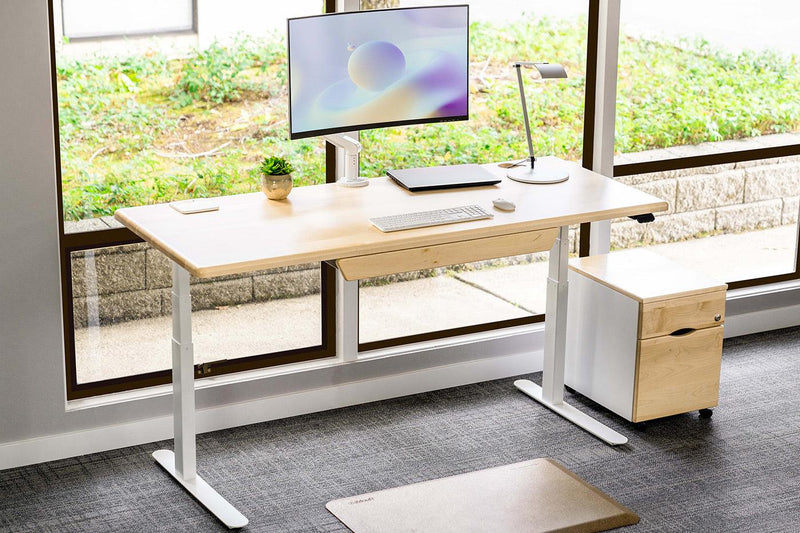
About 33% of workplace injuries come from bad ergonomics. So yeah, that sore back or wrist pain is not just you. It is actually a huge problem.
If you sit most of the day and feel drained by 3 PM, your setup works against your body. This guide explains what makes an ergonomic work station worth the effort.
Understanding Office Ergonomics
Office ergonomics means setting up a workspace that fits how your body actually works. The spine needs support. Joints need room to move. Muscles need breaks from holding the same position for hours.
Poor setups force compensation. Shoulders creep up toward your ears. Wrists bend at angles they were not built for. Your lower back goes first. Then your neck, shoulders, whatever. It all piles on quick, and next thing you know you can't even sit through a meeting without hurting.
Selecting the Right Ergonomic Chair
Your chair matters more than anything else in an ergonomic computer station. Sit in a bad one for eight hours and your lower back will remind you by lunch. A good chair distributes weight across your hips and thighs instead of dumping everything onto your tailbone.
Look for lumbar support that actually curves with your spine. If the seat's too deep, it digs into the back of your knees.
Get one you can adjust. Same with the backrest, you want to lean back sometimes without feeling like you're gonna fall over. Breathable fabric prevents the sweaty-back situation that kills focus on hot afternoons.
But here is the thing. Even expensive chairs fail if you never adjust them. Seat height should let your feet sit flat with knees slightly below your hips. Armrests belong just under your elbows, not jammed into your armpits. Backrest tension needs enough resistance to support you without feeling like a plank.
Choosing the Appropriate Desk
Desk height determines whether your shoulders stay relaxed or climb toward your neck all day. Too high and you are shrugging. Too low and you are hunching.
Either way, your upper back's toast. Get a desk you can raise and lower so you're not stuck in one position all day. Moving around helps, that stiffness you think is just getting older? Mostly it's from sitting still too long.
And make sure your desk's big enough. If you're crammed in there reaching around stuff, you're twisting yourself up for no reason.
Solid construction matters too. Wobbly desks shake when you type, which gets annoying fast. And skip glossy finishes. They bounce light straight into your eyes and create glare that forces squinting.
Optimal Monitor Setup
Monitor placement controls neck posture more than people realize. Put the screen too low and you spend all day looking down. Too high and your neck tilts back. Both positions compress joints and tire muscles.
Put the top of your monitor at eye level, maybe a tiny bit lower. Should be about an arm away so you're not squinting or leaning forward.
Tilt it up a bit if the overhead lights are bouncing off it. Got two monitors? The one you use most goes right in front of you, not off to the side where you're always turning your head.
Screen brightness should match the room. A blazing monitor in a dim office strains your eyes within an hour. So does a dim screen in bright sunlight. Adjust as lighting changes throughout the day.
Keyboard and Mouse Placement
Wrist problems come from two things: bad angles and repetition. Fix the angles and repetition becomes less destructive.
Ideal Keyboard Positioning
Your keyboard should sit at elbow height with a slight downward tilt. Flat or tilted up bends your wrists backward, which compresses nerves over time.
Keep the keyboard centered with your body. If your keyboard's off to one side you're twisting all day and your neck's gonna hate you. Mouse goes next to the keyboard. Don't leave a bunch of empty space in between or you'll be stretching every two seconds.
Ergonomic Mouse Usage
Ergonomic mice come in different shapes. Vertical designs rotate your hand into a handshake position. Trackballs eliminate wrist movement entirely. Try a few styles if standard mice cause pain. Small changes here often solve problems that have bothered you for months.
Smart Use of Accessories
Footrests work if your feet dangle when your chair is at the right height. They let shorter people maintain proper leg angles without compromising the rest of their setup. Wrist rests belong under your palms during breaks, not while typing. Leaning on them during active work increases pressure on the carpal tunnel.
Document holders keep reference materials at eye level next to your monitor. Without one, you are constantly looking down at papers on your desk, then back up at the screen. That repetitive motion wrecks your neck. Laptop stands do the same thing for laptop screens, which sit way too low when placed directly on a desk.
Effective Cable Management
Cables everywhere under your desk? You're gonna trip or they'll jam up the height adjustment. Zip-tie them or stick them in a tray, keep them out of where your feet go. Plus it's way easier to swap stuff out later when you're not untangling a rat's nest.
For sit-stand desks, cables need enough slack to move with the desk without pulling tight. Rigid cable management systems fail here because they restrict vertical travel.
Even a well-designed ergonomic computer work station can fall short if installation is unclear or rushed. Clear setup guidance, especially for cable management and accessories, helps ensure the workspace functions as intended from day one.
Environmental Considerations
Lighting and noise affect how your ergonomic computer work station performs. Bad lighting forces eye strain and posture changes as you lean closer to see clearly. Natural light works great when controlled with blinds to prevent screen glare. Add a desk lamp for tasks that need focused illumination.
Noise creates stress that tightens muscles and ruins concentration. Acoustic panels or noise-canceling headphones help in loud environments. Temperature matters too. Too hot and you get sluggish. Too cold and you tense up.
Personalizing Your Workspace
Add comfort items that support function, not just decoration. A lumbar cushion might improve your chair. A standing mat reduces fatigue when you are on your feet. Plants improve mood without interfering with equipment placement.
But keep it functional. Clutter distracts and crowds your workspace. Photos and small personal items are fine. Just avoid anything that blocks your monitor or limits desk adjustability.
Preventive Health and Safety Benefits
Sit right and you won't mess up your tendons. You're hitting keys thousands of times a day, that adds up. Bad posture also cuts off circulation, which is why your hands go numb or you feel dead tired for no reason.
Do this stuff for a few years and you'll notice. Less pain, fewer days calling in sick. You can actually work a full day without hitting that 2pm wall where everything hurts and you can't focus.
The Cost of a Non-Ergonomic Setup
Pain kills concentration. Discomfort forces breaks that disrupt workflow. Errors increase when you are distracted by a sore neck or aching wrists. Over time, injuries from poor ergonomics lead to medical costs, lost work days, and decreased performance.
Way cheaper to fix this now than later. Decent chair and adjustable desk? Maybe $500-800 total. Physical therapy, doctor visits, time off work for back surgery or carpal tunnel? Try a few grand, easy. No contest.
Practical Tips for Achieving Ergonomic Design
Start with your chair and monitor height. Those two adjustments solve most common problems and take about five minutes. Check that your feet rest flat and your screen sits at eye level. Then refine keyboard position so your wrists stay straight while typing.
Small fixes deliver immediate relief. You do not need to overhaul everything at once. Notice what bothers you most and address that first. Then build from there as budget and time allow.
Professional ergonomic assessments help with complex setups or persistent problems. Consultants spot issues you might miss and provide tailored solutions. For DIY approaches or using ergonomic desk converter, use online checklists to evaluate your workspace against established guidelines.
When evaluating an ergonomic work station for full-day use, build quality matters as much as adjustability. Many professionals prefer solutions that are designed and manufactured in the U.S., where material standards and durability tend to be higher.
Conclusion
An ergonomics work station cuts fatigue, prevents injury, and supports focus through smart equipment placement and adjustability. When your workspace fits your body instead of fighting it, work gets easier.
So if your setup feels like an obstacle, fix the obvious problems today. Adjust your chair. Raise your monitor. Move your keyboard. Those changes take minutes and often solve issues that have plagued you for months.
So, if adjustability, stability, and long-term comfort matter, start with equipment built for ergonomics, not trends. iMovR designs workstations that support sitting and standing without compromise.
FAQs
What does office ergonomics mean?
Office ergonomics means designing workspaces, tools, and tasks to fit the worker, reduce strain, improve comfort, and support safe, efficient daily performance at work consistently.
Why is ergonomics important?
Ergonomics is important because it prevents injuries, reduces fatigue, improves posture, increases productivity, lowers absenteeism, and helps people work comfortably for longer hours each day.
What is ergonomic office furniture?
Ergonomic office furniture includes chairs, desks, and accessories designed to support neutral posture, adjust to users, reduce pressure points, and encourage healthy movement during work.
What If My Desk Is Not Adjustable?
If your desk is not adjustable, use monitor risers, footrests, cushions, and keyboard trays to improve posture and approximate an ergonomic working height for comfort.
Do I Need to Spend a Lot on an Ergonomic Chair?
No, you do not need to spend a lot; choose a chair with basic adjustments, lumbar support, and good fit for your body at work.
How Often Should I Switch Between Sitting and Standing?
Switch between sitting and standing every thirty to sixty minutes to reduce fatigue, improve circulation, and maintain comfort throughout the workday for better long term.
What are the aims of ergonomics?
The aims of ergonomics are to fit work to people, prevent injury, improve efficiency, enhance comfort, and promote long term health in daily tasks safely.
What are the advantages and disadvantages of ergonomics?
Advantages include fewer injuries, better comfort, and higher productivity; disadvantages include initial cost, training needs, and possible resistance to change in some work environments initially.