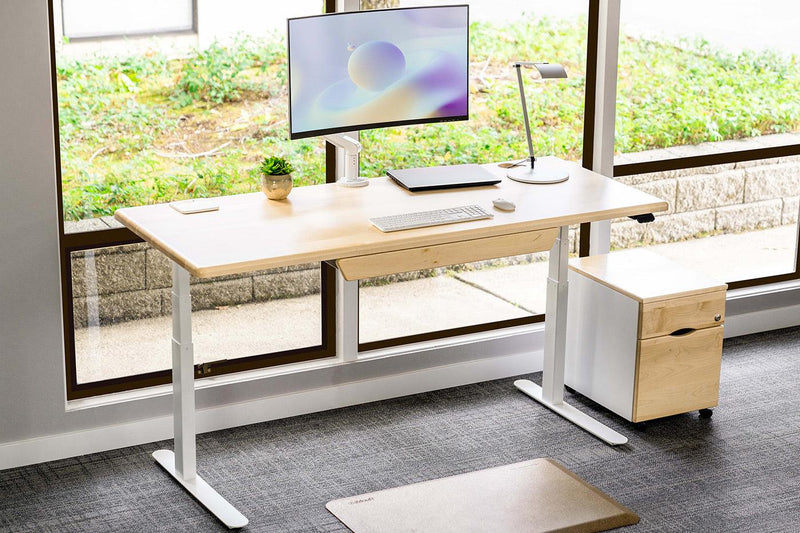
A great office design does not just look good, it can boost employee happiness by up to 33%.
That is exactly why more companies are rethinking their spaces. But the big question always comes first. How much does an office redesign cost, and where does all that money actually go?
This guide breaks it down in a practical way. You will see real numbers, what drives costs up, and where you can save without cutting corners. And more importantly, you will understand how to redesign smarter, not just bigger.
What Is the Average Cost to Redesign an Office?
The office redesign cost varies widely depending on size, goals, and location. But there are clear ranges that help you estimate where your project might fall.
Cost per Square Foot Breakdown (Low, Mid, High Range)
Most office redesign cost estimates start per square foot. That gives a quick benchmark before diving into details.
-
Low range: $30–$80 per sq. ft.
Basic upgrades like paint, minor layout changes, and simple furniture updates. -
Mid range: $80–$150 per sq. ft.
Includes new furniture, lighting upgrades, and moderate construction work. -
High range: $150–$300+ per sq. ft.
Full renovation with structural changes, premium finishes, and advanced tech.
So, if you have a 5,000 sq. ft. workspace, your office renovation cost could range from $150,000 to over $1.5 million depending on scope.
Typical Total Costs by Office Size (Small, Medium, Enterprise)
Now let us translate that into real scenarios.
-
Small office (1,000–3,000 sq. ft.)
$50,000 to $300,000 depending on design complexity. -
Medium office (3,000–10,000 sq. ft.)
$250,000 to $1 million with furniture and infrastructure upgrades. -
Enterprise office (10,000+ sq. ft.)
$1 million to $5 million or more for full-scale transformation.
And that is where the workplace remodel price starts to feel real.
Cost Differences by Location and Industry
Location plays a huge role in office redesign cost. Urban areas with higher labor rates push costs up fast. Cities like New York or London can increase your office renovation cost by 20 to 40 percent compared to smaller markets.
Industry matters too. A tech startup might invest heavily in collaborative spaces, while a legal firm spends more on private offices and acoustic upgrades. Different needs, different cost structure.
Key Factors That Affect Office Redesign Costs
Not all office redesign cost estimates are created equal. Several variables directly impact your final budget.
Office Size and Layout Complexity
The bigger the space, the higher the cost. That is obvious. But layout complexity matters just as much.
Open layouts are usually cheaper to redesign. Complex floor plans with many rooms, partitions, and structural changes increase both labor and material costs. That is where the workplace remodel price starts climbing quickly.
Furniture and Workspace Upgrades
Furniture alone can account for a large portion of your office redesign cost. High-quality desks, ergonomic chairs, and collaborative setups add up fast.
And then there is custom furniture. That pushes your office renovation cost even higher. But it can improve productivity and comfort in ways that basic furniture cannot.
Technology and Infrastructure Changes
Modern offices rely on technology. That includes:
-
Network cabling
-
Smart lighting systems
-
Video conferencing setups
-
Access control systems
These upgrades increase the office redesign cost, but they also future-proof your workspace.
Labor, Design, and Contractor Fees
You are not just paying for materials. You are paying for expertise.
Interior designers, architects, and contractors all add to the office renovation cost. Depending on the project, these fees can take up 20 to 30 percent of the total budget.
Timeline and Business Downtime Costs
Here is something many overlook. Time equals money.
If your office redesign disrupts daily operations, productivity drops. That hidden cost often gets ignored in the initial workplace remodel price estimate. But it can hit hard later.
Office Redesign Cost Breakdown (Detailed)
Let us break the office redesign cost into specific categories so you know exactly where your budget goes.
Interior Design and Planning Costs
Design comes first. And it is not optional if you want a functional workspace.
Interior design typically costs 5 to 15 percent of your total office renovation cost. This includes space planning, 3D renderings, and material selection.
A good design prevents costly mistakes later. So cutting corners here usually backfires.
Construction and Renovation Costs
This is the biggest chunk of your office redesign cost.
It includes demolition, wall construction, electrical work, plumbing, and HVAC adjustments. Structural changes push the workplace remodel price up significantly.
And delays here can quickly inflate your budget.
Furniture and Fixtures
Furniture covers desks, chairs, storage units, and collaborative setups.
Depending on quality, furniture can take up 20 to 40 percent of your office redesign cost. Premium ergonomic furniture costs more upfront but reduces long-term health issues and boosts productivity.
Lighting, Flooring, and Materials
Lighting affects mood and efficiency. Flooring impacts durability and maintenance.
Upgrading these elements adds to your office renovation cost, but they also define how your workspace feels every day.
Acoustic Solutions and Privacy Upgrades
Noise is one of the biggest complaints in modern offices.
Acoustic panels, soundproofing materials, and private spaces increase the office redesign cost. But they solve a major problem that affects focus and communication.
And this is where things get interesting. Traditional solutions often involve building walls or separate rooms. That costs more, takes longer, and reduces flexibility.
So, many companies now look at smarter alternatives.
The Hidden Cost of Poor Office Design (What Managers Overlook)
Most discussions about office redesign cost focus on construction and furniture. But the real damage often comes from poor design choices.
Productivity Loss from Noise and Distractions
Open offices look modern. But they often create constant distractions.
Studies show that noise can reduce productivity by up to 66 percent. That is not a small issue. That is a daily loss that compounds over time.
Lack of Private Spaces for Meetings and Calls
Employees need privacy for calls, meetings, and focused work.
Without dedicated spaces, they either struggle to concentrate or leave the office environment entirely. That reduces efficiency and increases frustration.
Employee Dissatisfaction and Turnover
A poorly designed workspace affects morale.
And when employees feel uncomfortable or distracted, they start looking elsewhere. Replacing talent costs far more than improving your office redesign cost upfront.
Inefficient Use of Office Space
Unused areas, overcrowded zones, and poor layout decisions waste valuable space.
So even if your office renovation cost looks reasonable, the long-term inefficiency makes it expensive.
Cost-Effective Alternatives to Full Office Renovation
Not every office needs a full redesign. In many cases, smarter solutions deliver better results at a lower office redesign cost.
Modular Solutions vs Traditional Construction
Modular solutions offer flexibility. They can be installed, moved, and reconfigured without major construction.
That reduces both time and workplace remodel price significantly.
Why Tearing Down Walls Is Expensive and Slow
Traditional renovation involves demolition, permits, and rebuilding.
That process increases your office renovation cost and often disrupts operations for weeks or months. And delays are common.
Flexible Office Upgrades Without Downtime
Modern businesses need speed.
Modular upgrades allow you to improve your workspace without shutting it down. That keeps productivity intact while controlling your office redesign cost.
How Office Pods Reduce Redesign Costs
This is where the conversation shifts from cost to strategy.
What Are Office Pods and Privacy Pods?
Office pods are self-contained units designed for focus, meetings, or calls.
They provide acoustic isolation and privacy without requiring permanent construction. That makes them a flexible solution for modern workspaces.
Cost Comparison: Office Pods vs Building Meeting Rooms
Building a meeting room can cost $10,000 to $50,000 or more depending on size and materials.
Office pods often cost less and deliver similar functionality. So your overall office redesign cost stays lower while maintaining usability.
Savings on Construction, Labor, and Permits
Pods eliminate many traditional expenses.
No demolition. No major construction. Minimal permits. That reduces your office renovation cost significantly.
Faster Installation and Zero Downtime
Most pods can be installed in hours or days.
That means no long disruptions. Your team keeps working while the workspace improves. That is a direct advantage when managing workplace remodel price constraints.
When to Choose Office Pods Instead of Renovation
Office pods work best in specific situations:
-
Growing teams needing quick expansion
-
Hybrid workplaces with changing needs
-
Offices lacking private spaces
If flexibility matters, pods offer a smarter path than traditional redesign.
Types of Office Pods for Modern Workspaces
Different work styles require different setups. That is why office pods come in various types.
Single-Person Focus Pods
These pods are designed for deep work.
They reduce noise and distractions, helping employees stay focused. And they add value without increasing your office redesign cost too much.
Meeting Pods for Teams
Small teams need collaborative spaces.
Meeting pods provide that environment without building permanent rooms. That keeps your office renovation cost under control while improving teamwork.
Phone Booths and Quiet Pods
Quick calls need privacy.
Phone booths and quiet pods offer a simple solution. They take up minimal space and deliver maximum utility.
Budgeting Guide for Office Managers
Planning your office redesign cost requires a structured approach.
Setting a Realistic Redesign Budget
Start with clear goals. Define what you want to improve, whether it is productivity, collaboration, or aesthetics. Then align your budget with those priorities.
Allocating Budget Across Priorities
Not all elements need equal investment. Focus on areas that impact daily work. That keeps your workplace remodel price efficient and results-driven.
How to Reduce Costs Without Sacrificing Quality
You can control your office renovation cost by making smart choices:
-
Prioritize modular solutions
-
Avoid unnecessary structural changes
-
Invest in durable materials
And that is where strategic thinking makes a difference.
Planning for Future Scalability
Your office should grow with your business. Flexible solutions reduce future office redesign cost by adapting to changing needs without major upgrades.
Office Redesign Cost Examples
Let us look at how office redesign cost plays out in real situations.
Small Office Redesign (Startup Team)
A startup redesigns a 2,000 sq. ft. office.
Instead of building meeting rooms, they install pods. This reduces their office renovation cost by 30 percent and speeds up implementation.
Mid-Size Office Upgrade (Growing Company)
A company with 7,000 sq. ft. needs more collaboration spaces.
They combine minor renovation with modular pods. The workplace remodel price stays within budget while improving functionality.
Enterprise Workspace Transformation
A large enterprise redesigns 20,000 sq. ft.
They use pods for flexible zones instead of permanent structures. This reduces long-term office redesign cost and increases adaptability.
Office Pods vs Traditional Renovation (Cost Comparison)
Comparing both approaches helps clarify the decision.
Upfront Costs Comparison
Traditional renovation has higher upfront costs. Pods offer a lower initial investment, making them attractive for budget-conscious teams.
Time to Implement
Renovations take weeks or months. Pods can be installed quickly, reducing disruption and maintaining productivity.
Flexibility and Scalability
Permanent structures limit future changes. Pods can be moved or reconfigured, reducing future office redesign cost.
Long-Term ROI
Flexibility leads to better long-term value. That is why many companies shift from traditional renovation to modular solutions.
How to Plan an Office Redesign Step-by-Step
A structured approach helps you control your office redesign cost.
Assess Current Workspace Problems
Identify what is not working. Noise, lack of privacy, poor layout. Be specific.
Define Goals (Productivity, Collaboration, Privacy)
Clear goals guide your decisions. Without them, your office renovation cost can spiral without delivering results.
Choose Between Renovation vs Modular Solutions
Evaluate both options. In many cases, modular solutions reduce workplace remodel price while improving flexibility.
Implement and Optimize
Execute the plan. Then monitor results and adjust as needed. That ensures your office redesign cost delivers real value.
Common Mistakes to Avoid When Redesigning an Office
Even well-planned projects can go wrong.
Overspending on Unnecessary Renovations
Not every change requires construction. Avoid inflating your office renovation cost with unnecessary upgrades.
Ignoring Privacy and Acoustic Needs
Noise problems do not fix themselves. Ignoring them leads to long-term productivity loss.
Not Planning for Growth
Your office should support future expansion. Otherwise, you face another office redesign cost sooner than expected.
Choosing Inflexible Design Solutions
Rigid layouts limit adaptability. Flexible solutions reduce long-term workplace remodel price and improve efficiency.
Conclusion
Office redesign cost is not just about numbers. It is about making smarter choices.
You can spend more and still get less if the design does not solve real problems. Or you can invest strategically and create a workspace that improves productivity, flexibility, and long-term value.
If you want a flexible upgrade without a full redesign, explore your options at iMovR.